
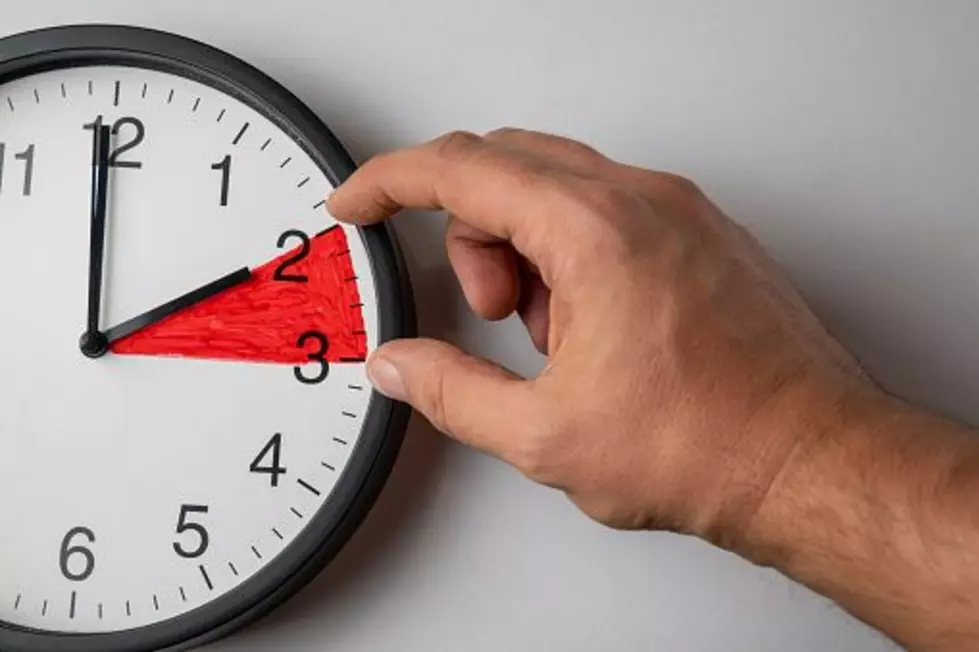
How Close Is Illinois To Having Permanent Daylight Saving Time?
You probably fall into one of two camps on this topic. One camp hates clock-changing twice a year so much that they want to put an end to the whole process. The other camp doesn't see clock-changing as a big deal, and often wonders what all the fuss is about.
The push to make Daylight Saving Time (DST) permanent has been circulating in Illinois and across the US for years, but as of 2026, nothing has actually changed at the federal level.
The last major attempt was the federal Sunshine Protection Act, which passed the US Senate in 2022 but stalled in the House and ultimately expired without becoming law. More recently, momentum has reappeared in Congress, and similar ideas continue to surface in state legislatures (including Illinois) but any state move would still require federal approval to take effect.
Here in Illinois, lawmakers have introduced bills such as HB1400 that would adopt permanent DST statewide, but these efforts are still stuck in committee and face the same national legal roadblock. Under current law, states are allowed to opt out of DST and stay on standard time year-round, but they are not permitted to choose permanent DST unless Congress changes federal time law. That’s why Illinois remains in the familiar twice-yearly “spring forward, fall back” cycle.
Politicians Are Going In One Direction, But Doctors And Sleep Scientists Say To Go The Other Way
Even as the political debate continues, the medical and sleep science community is increasingly unified on one point: permanent DST is not the healthiest option.
Organizations like the American Academy of Sleep Medicine and the Sleep Research Society argue that standard time better aligns with human circadian rhythms because it provides earlier morning light exposure, which helps regulate sleep, alertness, and metabolic health.
Sleep physicians also warn that permanent DST would effectively shift light later into the morning year-round, especially in winter. That means darker mornings for school commutes and workdays, which can disrupt circadian timing and has been linked to increased risks of sleep loss, mood disorders, and even cardiovascular issues.
Supporters of permanent DST argue for brighter evenings and economic benefits, but from a health standpoint, many experts say the trade-off comes at a biological cost. For now, Illinois is very much in the “debate phase,” with no clear timeline for change, and no consensus on which direction Congress will ultimately take.
Here's a great breakdown of the argument:
See How School Cafeteria Meals Have Changed Over the Past 100 Years
Gallery Credit: Madison Troyer